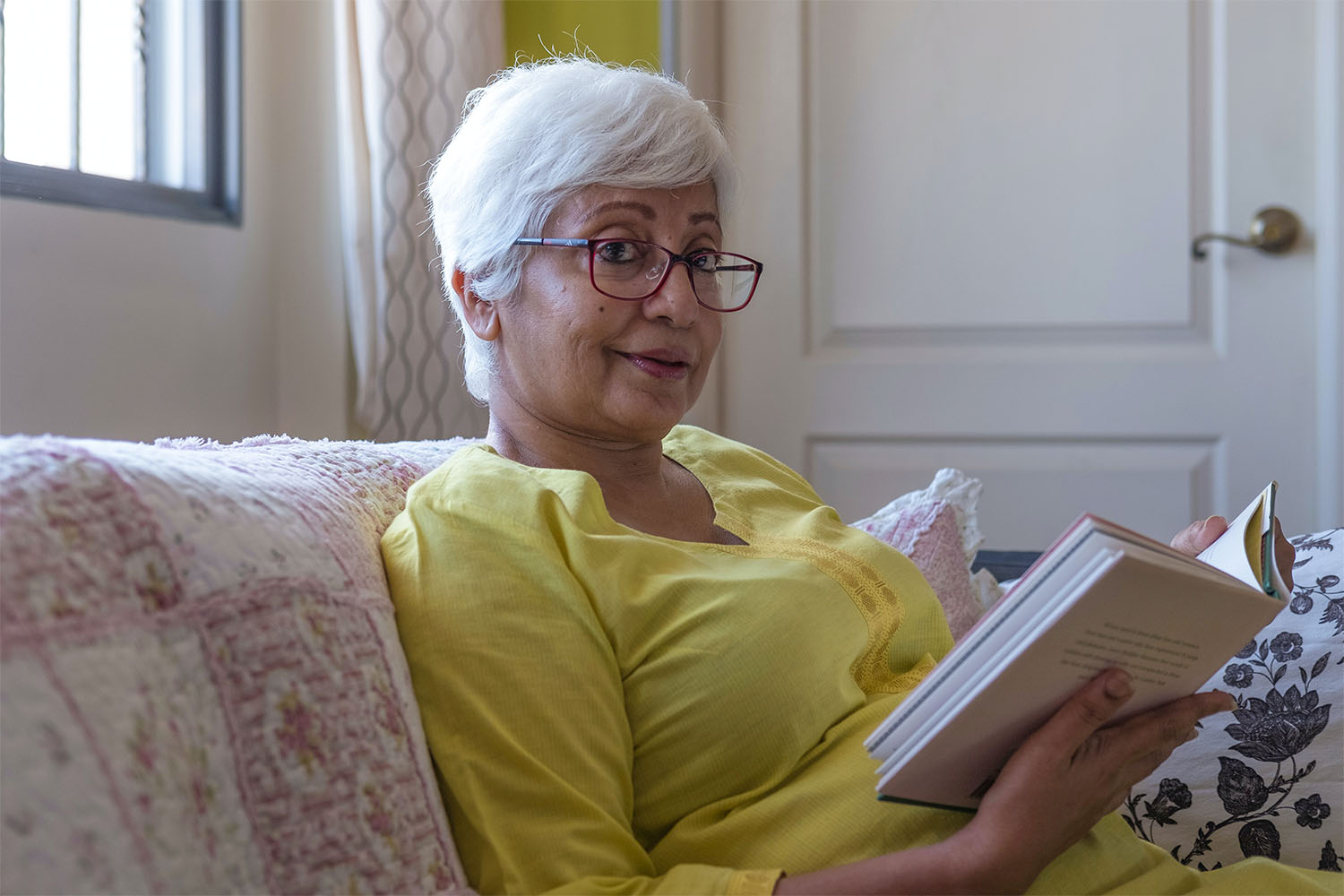

Specialist nursing care is designed for people whose health, disability or dependency needs require continuous nursing oversight alongside support with everyday living. Unlike standard residential care, nursing care provides an environment where clinical needs can be incorporated into an individual's daily care plan, with registered nurses available to manage changing requirements.
For families researching specialist nursing care in Weston-super-Mare, the need for this level of support may follow a hospital admission, progression of a chronic condition, repeated falls, increasing difficulty with daily activities or a requirement for more complex medical care. For discharge teams, social workers and community health professionals, the decision is based on the person's assessed needs and whether their current environment can continue to provide safe and appropriate support. Clarence Park Care Home provides specialist nursing care in Weston-super-Mare for people with complex medical needs, physical disabilities and palliative requirements. Its nursing provision includes 24-hour support, individualised care planning, medication management and specialist treatments.
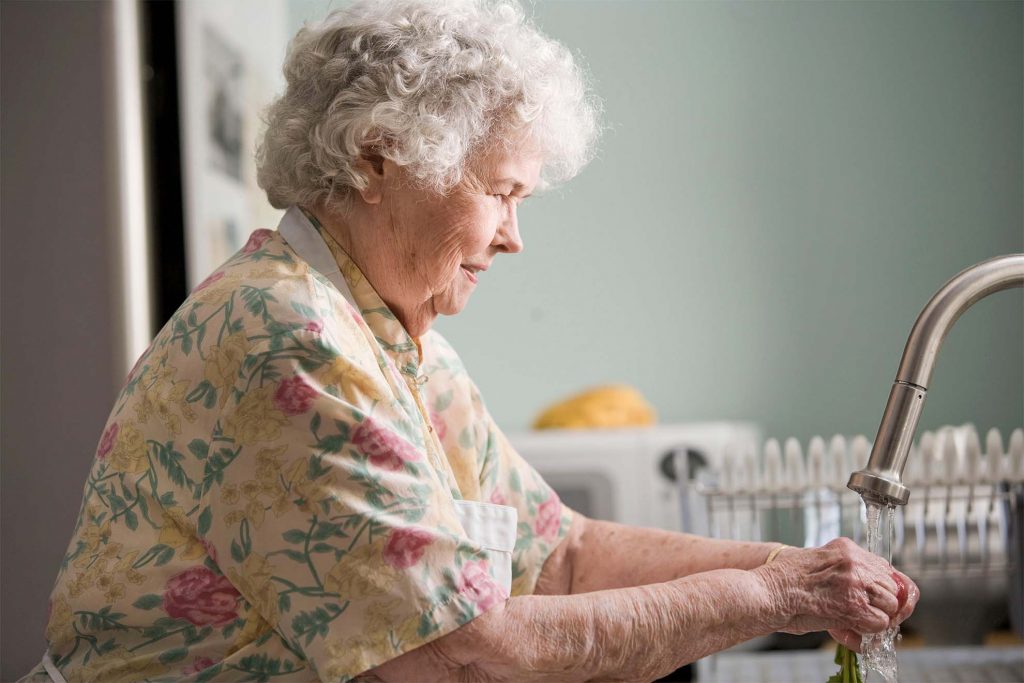
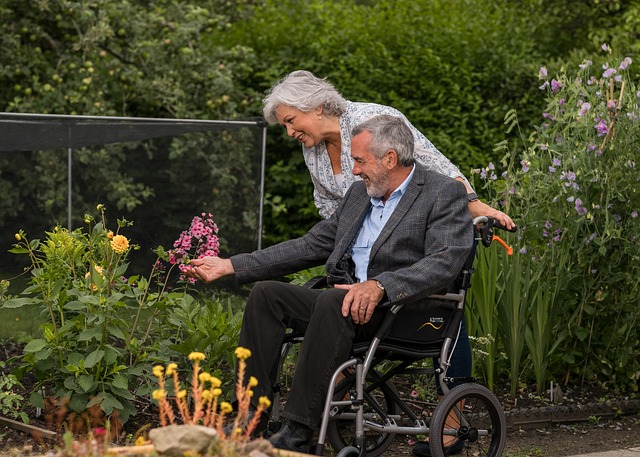

When Specialist Nursing Care Becomes Necessary
The need for nursing care is determined by a person's level of dependency and clinical needs rather than by age or diagnosis alone. Someone may require nursing care because a long-term condition has progressed, because they can no longer manage medication or personal care safely, or because their health has become sufficiently complex to require regular professional oversight.
Clarence Park's own guidance identifies several indicators that nursing care may be appropriate, including progression of chronic conditions, difficulty with bathing and dressing, recent falls or hospital stays, changes in appetite or weight, increased confusion, difficulty managing medication and the need for specialist medical care such as wound care or oxygen therapy. The important point is that these indicators should be considered together as part of an individual assessment rather than treated as an automatic checklist.
The Specialist Nursing Care Pathway After Hospital Discharge
Hospital discharge is a particularly important point at which nursing requirements are reassessed. A person returning from hospital may have substantially different needs from those they had before admission, including reduced mobility, medication changes, wound care requirements or increased assistance with activities of daily living.
NICE guideline NG27 recommends that when a person with complex needs is admitted to hospital, relevant practitioners should begin assessing health and social care needs and start discharge planning. It also states that the discharge plan should address the person's condition, medicines, continuing health and social care support and practical requirements, with information shared between the professionals involved in ongoing care. This makes the receiving nursing home part of a wider care pathway rather than an isolated destination. At Clarence Park, the team gets to know a resident's medical needs, routines and personal preferences before admission and uses this information to develop an individualised care plan. That plan is then reviewed and adjusted as circumstances change.

Managing Mobility, Falls and Increased Dependency
Reduced mobility is often one of the clearest functional changes following illness, injury or hospitalisation. Difficulty transferring, walking safely, bathing, dressing or managing other everyday activities can increase the level of support a person requires and may make previous arrangements unsuitable.
Falls are a critical concern because they can lead to further injury, hospital admission, and a subsequent loss of independence. Clarence Park identifies recent falls and hospital stays as key signs that may indicate a need for nursing care. Consequently, its nursing provision includes comprehensive support for daily living and physical disabilities
The purpose of nursing care is not simply to provide more assistance. Individualised planning should establish what the person can still do safely, where assistance is required and how their care can preserve dignity and independence. Clarence Park states that residents' choices, needs and interests remain central to its approach to care.
What Specialist Nursing Care Should Provide
The strongest specialist nursing care combines clinical oversight with an individualised approach to everyday life. For someone with complex medical needs, that can mean reliable medication management, wound care and specialist treatments. For someone with physical disability or increasing dependency, it can mean consistent support with daily activities while maintaining as much independence as possible. For someone leaving the hospital, it means continuing the care pathway established through assessment and discharge planning. NICE specifically recommends coordinated working between hospital and community teams, continuity of care and clear communication about ongoing health and social care needs.
For families searching for nursing care in Weston-super-Mare, the most useful comparison is therefore not simply which home has a room available. It is which setting can safely meet the person's current needs, communicate effectively with those involved in their care and adapt its support as those needs develop. Clarence Park's specialist nursing service is structured around 24-hour nursing support, personalised care plans and support for complex medical needs, physical disabilities and palliative care, making it a potential option for people across Somerset whose assessed requirements fit this level of provision.



Frequently Asked Questions
How do I know if a loved one needs nursing care?
Common signs include the progression of chronic conditions such as diabetes, heart disease or dementia, difficulty managing daily activities, recent falls or hospital stays, and increasing difficulty managing medication safely at home. A nursing team can carry out an assessment to confirm the right level of care.
What should I expect during the move into a nursing care home?
Before admission, the nursing team typically carries out an assessment of medical needs, daily routines and personal preferences, using this to build an individualised care plan that is reviewed and adjusted as the resident settles in and their needs change.
Can I get short-term or respite nursing care in Weston-super-Mare?
Yes. Short-term nursing care can provide support while someone recovers from illness or hospital treatment, or when a family carer needs a temporary break from their caring responsibilities. At Clarence Park Care Home, respite care is available for people who need temporary support before returning home or deciding whether longer-term care is appropriate.
Can nursing care be provided after a hospital discharge?
Yes. Nursing care can provide an appropriate step-down setting for someone who is no longer required to remain in hospital but still needs ongoing clinical support. This can be particularly useful following an illness, operation, injury or fall when returning directly home would not yet be safe or practical.
Choosing Specialist Nursing Care in Weston-super-Mare and Somerset
Searching for specialist nursing care in Weston-super-Mare does not necessarily mean that the most suitable nursing home will be within the town itself. Families and professionals may need to consider homes across Somerset according to clinical suitability, availability, accessibility and the person's future care requirements. Quality and suitability should be considered together. Families and referrers can review the provider's nursing provision, care planning approach, clinical support, environment and current regulatory information before making a placement decision.
If you would like to discuss your loved one's care needs, get in touch with our team to arrange a visit or personalised conversation.